Source portable bluetooth rgb led light with microphone for apartments, karaoke, and outdoor events
Compare 30 listings of portable bluetooth rgb led light with microphone featuring wireless charging, built-in speakers, and RGB lighting. Buyers can evaluate specifications like battery life, power source, and control methods from suppliers in Zhejiang, China.
Key considerations
Products List
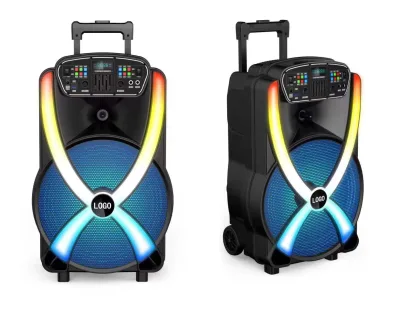
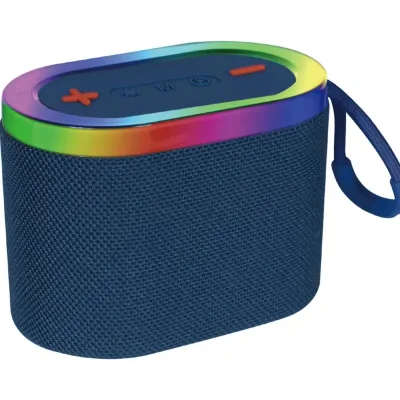
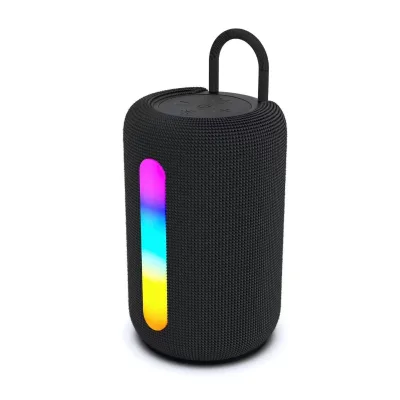
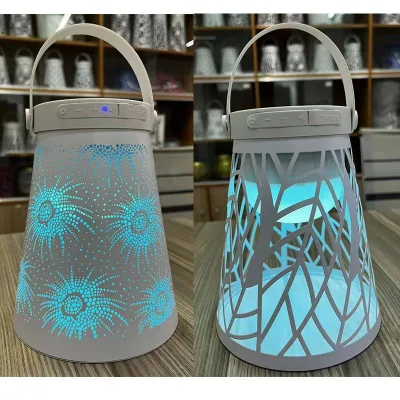
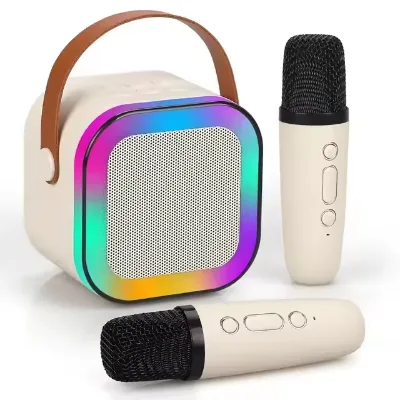
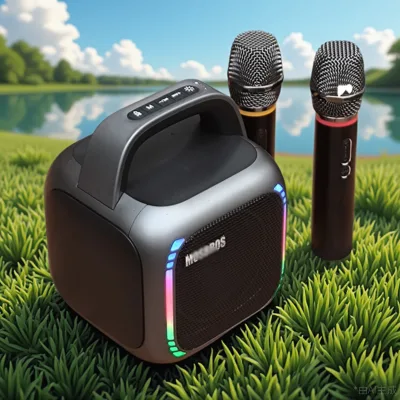


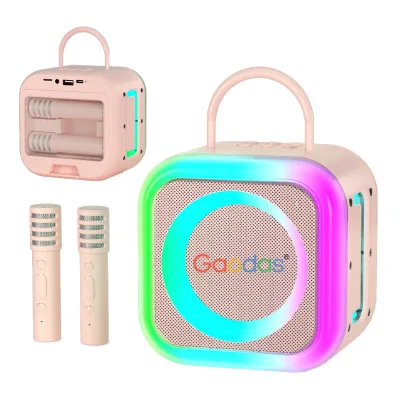
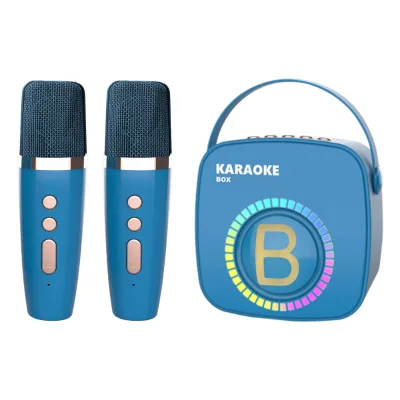
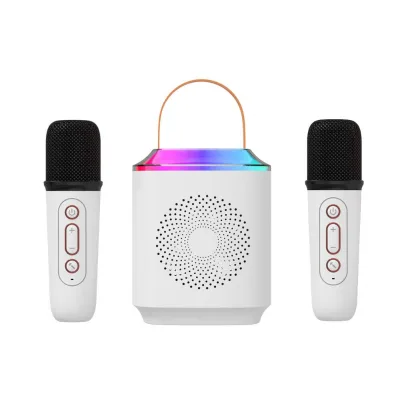
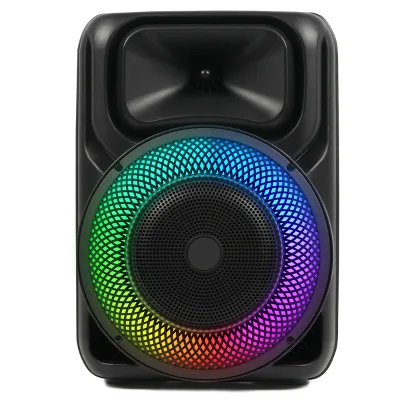
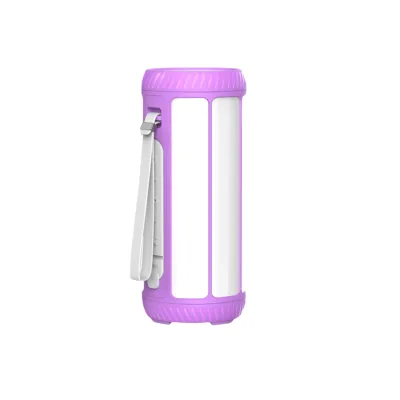
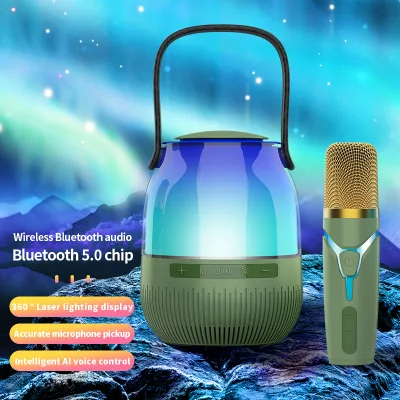


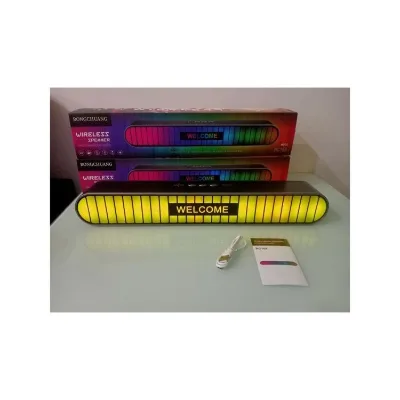

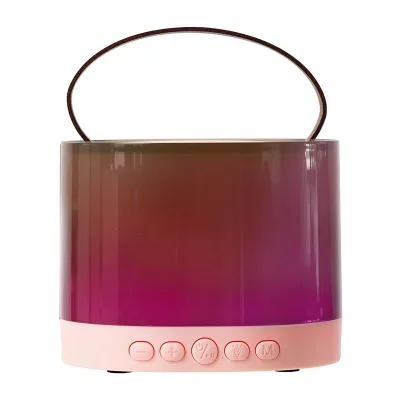
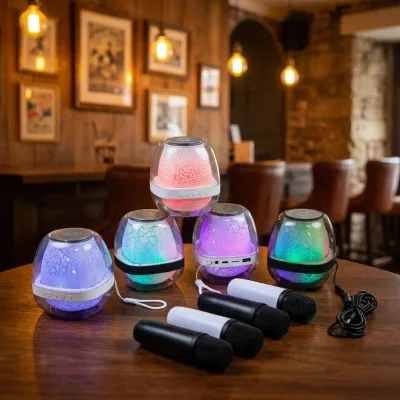

Comprehensive Sourcing Guide
Sourcing Guide for Portable Bluetooth RGB LED Lights with Microphone
Understanding Technical Specifications and Core Functionality
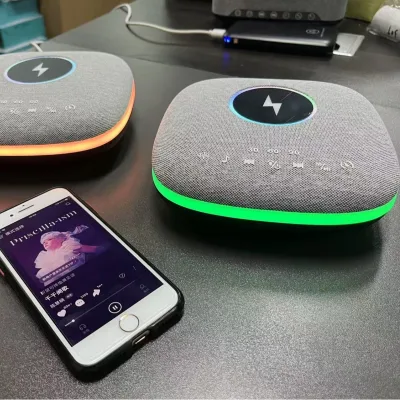
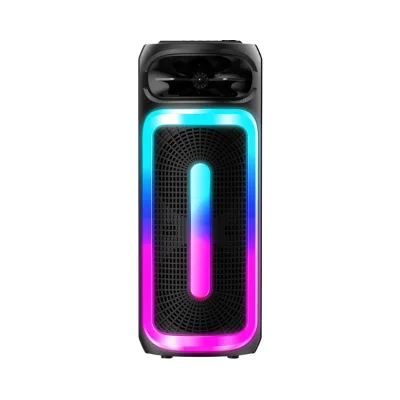
When sourcing a portable Bluetooth RGB LED light with a microphone, buyers must first establish a clear understanding of the technical architecture that defines this product category. These devices are multifunctional units that integrate illumination, audio playback, and often wireless charging capabilities into a single compact form factor. Based on observed market data, the core lighting element typically utilizes LED technology, offering a Color Rendering Index (Ra) of 90 or higher to ensure accurate color representation, which is critical for ambient lighting applications. The light source is capable of emitting colorful, RGB variations, allowing for dynamic lighting effects that can be controlled via touch or switch mechanisms.
The power architecture is a defining characteristic of portable units. These devices frequently operate on a rechargeable battery system, with an input voltage often standardized at DC 6V. The battery capacity generally falls within the 1000-2000mAh range, providing an estimated battery life of less than three hours under continuous operation. Charging times are typically observed between 1 to 3 hours via USB connectivity. While some units are marketed with specific power outputs ranging from 10 to 30W, the actual lamp power for the LED array is often lower, around 5W, with a luminous efficiency of approximately 100 lm/W and a total luminous flux of 500 lumens.
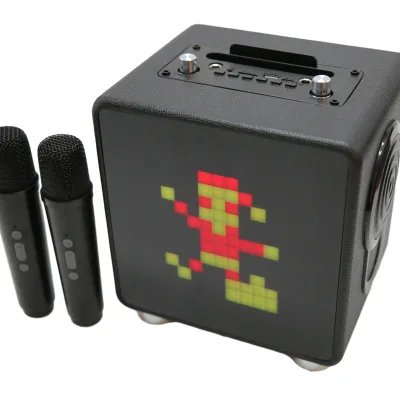
Audio integration is another critical specification. The inclusion of a built-in speaker and microphone suggests the device supports voice prompts, hands-free calling, or karaoke functions. Connectivity is usually established via Bluetooth and USB interfaces, facilitating seamless pairing with smartphones and other digital devices. The physical design often features a round shape with a modern aesthetic, constructed from durable plastic materials. Dimensions for the product itself are commonly around 17117190mm, while the single package size may be smaller, approximately 10x9x10 cm, though bulk packing dimensions can vary significantly depending on the supplier's logistics strategy.
Compliance and Certification Verification
In the global B2B market, verifying compliance and certification is non-negotiable for ensuring product safety and market access. For electronic lighting products, the CE certification is a primary requirement for selling within the European Economic Area. Buyers must explicitly request and verify the CE documentation for the specific batch of goods being sourced. This certification confirms that the product meets EU safety, health, and environmental protection requirements.
Beyond CE, buyers should investigate other relevant standards based on the target market. For instance, products intended for the North American market may require UL or ETL certification, while those targeting Japan might need PSE certification. The provided data indicates a 1-year warranty period, which is a standard industry offering but should be clearly defined in the contract regarding what is covered, such as battery degradation or LED failure.
It is essential to distinguish between the manufacturer's claims and verified test results. While some suppliers may advertise high-performance metrics, buyers must rely on third-party test reports to validate claims regarding electromagnetic compatibility (EMC), radio frequency (RF) compliance for Bluetooth modules, and electrical safety. The absence of specific test data in general product descriptions necessitates a proactive request for the latest test reports from the supplier before finalizing any order.
Cost Drivers and Pricing Structure Analysis
The pricing of portable Bluetooth RGB LED lights is influenced by a complex interplay of factors, including component quality, production volume, and logistics. The observed price range in the market spans from $0.01 to $119, a wide disparity that reflects differences in build quality, feature sets, and brand positioning. At the lower end of the spectrum, products may utilize basic plastic components, lower-grade batteries, and simplified circuitry. Conversely, higher-priced units often feature superior materials, more advanced Bluetooth chips, higher capacity batteries, and enhanced lighting efficiency.
The Minimum Order Quantity (MOQ) is another significant cost driver. The observed MOQ range extends from 1 to 3000 units. Suppliers with lower MOQs often charge a premium per unit to cover setup costs and smaller production runs. As the order volume increases, the unit cost typically decreases due to economies of scale. Buyers must balance their budget constraints with their inventory needs; a high MOQ might reduce the unit price but increases the financial risk and storage costs associated with holding large stock.
Additional cost factors include the complexity of the lighting solutions service provided. Some suppliers offer project group sales and lighting and circuitry design services, which can add value but also increase the overall cost structure. The inclusion of features like wireless cellphone charging, SD card insertion, and voice prompts also contributes to the final price. Buyers should request a detailed breakdown of costs to understand the value proposition of each feature and ensure they are not paying for unnecessary specifications.
Typical Applications and Use Cases
The versatility of portable Bluetooth RGB LED lights with microphones makes them suitable for a diverse range of applications. The primary use case is residential lighting, particularly in apartments where space is limited and multifunctional devices are preferred. The modern design and RGB color capabilities allow these lights to serve as ambient lighting for living rooms, bedrooms, or home offices, enhancing the atmosphere for relaxation or entertainment.
Beyond residential settings, these devices are increasingly popular in commercial and recreational environments. The application data suggests suitability for outdoor use, computer setups, and karaoke venues. In karaoke settings, the built-in microphone and speaker functionality are essential for providing audio feedback and music playback. For computer setups, the RGB lighting can complement gaming environments, while the microphone allows for communication during online sessions.
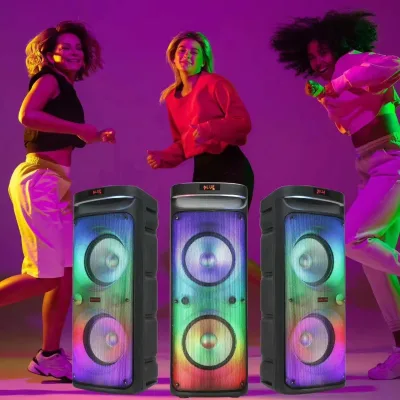
The product's portability and battery operation make it ideal for events, travel, and temporary installations. The ability to change colors and the inclusion of timing features make these lights useful for parties, celebrations, and promotional events. Furthermore, the "help getting sweet sleep" feature indicates a potential application in wellness and sleep aid products, where soft, changing light patterns can assist in relaxation routines. Buyers should consider the specific needs of their target customers when selecting the appropriate model, ensuring that the features align with the intended use case.
Supplier Evaluation and Selection Criteria
Selecting the right supplier is critical for the success of a procurement project. Buyers should evaluate suppliers based on their technical capabilities, production capacity, and commitment to quality. The presence of a specific brand name, such as EUROLEDLITE, can be an indicator of a supplier's market presence, but buyers should not rely solely on brand recognition. Instead, they should verify the supplier's ability to meet the specific technical requirements of the order, such as the 50000-hour lifespan claim for the LED components.
Key evaluation criteria include the supplier's experience with similar products, their quality control processes, and their ability to provide customization. Buyers should inquire about the supplier's experience with lighting solutions services, including project group sales and circuitry design, as these capabilities can indicate a higher level of technical expertise. Additionally, the supplier's location, such as Zhejiang, China, can impact lead times and shipping costs, which should be factored into the overall procurement strategy.
Transparency and communication are also vital. Buyers should assess the supplier's responsiveness to inquiries and their willingness to provide detailed product information, including test reports and certification documents. A reliable supplier will be open about their production capabilities, including the number of pieces per carton (PCs/Ctn) and the single gross weight, which are essential for logistics planning.
Quality Control and Inspection Protocols
Implementing a robust quality control (QC) protocol is essential to mitigate risks associated with sourcing electronic lighting products. Buyers should establish clear inspection criteria based on the product specifications, such as verifying the LED color temperature, luminous flux, and battery charging time. Regular inspections should be conducted at various stages of the production process, including raw material inspection, in-process checks, and pre-shipment inspections.
For electronic components, functional testing is crucial. This includes verifying the Bluetooth connectivity, microphone functionality, and the performance of the RGB lighting features. Buyers should also check the physical dimensions and packaging to ensure they meet the specified requirements, such as the 17117190mm product dimension and the 22x22x12cm packing dimension. Any deviations from these specifications should be addressed immediately to prevent potential issues upon delivery.
Third-party inspection services can provide an additional layer of assurance. These services can verify the product's compliance with safety standards and ensure that the quality meets the agreed-upon specifications. Buyers should also consider the warranty terms and the supplier's policy for handling defective units. A clear understanding of the warranty period, typically 1 year, and the process for claims is essential for managing long-term procurement risks.
Long-Term Procurement and Strategic Considerations
Long-term procurement of portable Bluetooth RGB LED lights requires a strategic approach that goes beyond immediate cost savings. Buyers should focus on building strong relationships with suppliers who can provide consistent quality and reliable support. This includes negotiating favorable terms for future orders, such as volume discounts and flexible MOQs, which can help manage inventory levels and reduce costs over time.
Sustainability is another important consideration. Buyers should evaluate the environmental impact of the products, including the materials used, such as plastic, and the energy efficiency of the LED components. Suppliers who demonstrate a commitment to sustainable practices, such as using recyclable materials or adhering to strict environmental standards, can add value to the brand and appeal to eco-conscious consumers.
Finally, buyers should stay informed about market trends and technological advancements in the lighting and audio sectors. The integration of new features, such as smart home compatibility or advanced voice control, can enhance the product's competitiveness. By maintaining a proactive approach to procurement and continuously evaluating the market landscape, buyers can ensure that their product offerings remain relevant and competitive in the long term.
FAQs
What certifications does the portable bluetooth rgb led light with microphone have?
The product holds CE certification for European market compliance. This confirms it meets EU safety and environmental standards, which is essential for selling in the European Economic Area without additional local testing.
How is the portable bluetooth rgb led light with microphone powered?
It operates on a rechargeable battery with a capacity between 1000 and 2000mAh. The device charges via USB within 1 to 3 hours and provides an estimated battery life of less than three hours during continuous use.
What are the physical dimensions of the portable bluetooth rgb led light with microphone?
The product measures 171 by 171 by 90 millimeters in size. It is packaged individually in a box measuring 10 by 9 by 10 centimeters, with a single gross weight of 0.820 kilograms for shipping calculations.
Can the portable bluetooth rgb led light with microphone change colors?
Yes, the light source emits colorful RGB variations and can change colors dynamically. It features a Color Rendering Index of 90 and a luminous flux of 500 lumens for high-quality ambient illumination.
Which control methods are supported by the portable bluetooth rgb led light with microphone?
The device supports both touch control and switch control for operation. Users can manage lighting effects and audio functions directly through these interfaces without requiring external remote controls or complex app setups.
What is the warranty period for the portable bluetooth rgb led light with microphone?
The product comes with a standard one-year warranty covering manufacturing defects. This period typically includes coverage for battery degradation or LED failure, subject to the specific terms provided by the supplier.